
Context
Informal waste workers in Vietnam play a crucial role in the country’s waste management system, contributing significantly to recycling and reducing environmental pollution. Despite their essential contributions, they often face unsafe working conditions, limited access to protective equipment, and exposure to hazardous materials, posing serious health and safety risks. Capacity-building programs are needed to equip them with knowledge about waste sorting, recycling technologies, and best practices to enhance efficiency and sustainability in their work. Gender equality is also a critical issue, as many women in this sector face double burdens, balancing demanding work with family responsibilities, and often experience unequal pay or opportunities. Providing support in health, safety, and skill development while promoting gender-inclusive policies can help empower these workers and ensure their essential role is recognized and valued in Vietnam’s waste management system.
Action
VietCycle is a leading waste management company in Vietnam, specializing in the collection, sorting, and recycling of plastic waste. With over two decades of expertise, the company is pioneering establishing a closed-loop system and a vast network of informal waste workers (IWWs) to promote a circular economy.
VietCycle's strategy focuses on leveraging the existing informal labor force, including female waste workers and craft village workers. Currently, VietCycle collaborates with over 7,500 IWWs, more than 500 junk shops, and nearly 30 recycling facilities nationwide. This strategy not only improves environmental practices but also enhances the livelihoods of these workers and recognizes their crucial role in waste management, transforming informal recycling activities.
Through this project, VietCycle received financial support of 35.000USD and technical support from GPAP to empower IWWs, focusing on:
· Technical Skills in Waste Management: Training on effective collection, sorting, and recycling techniques.
· Market-Based Pricing Knowledge: Educating IWWs on how to price recyclables based on market trends.
· Basic Financial Skills: Providing financial literacy training tailored to small households.
· Communication Skills: Enhancing interpersonal and negotiation skills.
· Health & Safety Knowledge: Promoting safe working practices and awareness of health risks.
· Attitudes and Self-Confidence: Empowering IWWs to recognize their contributions and improve self-esteem.
Impact
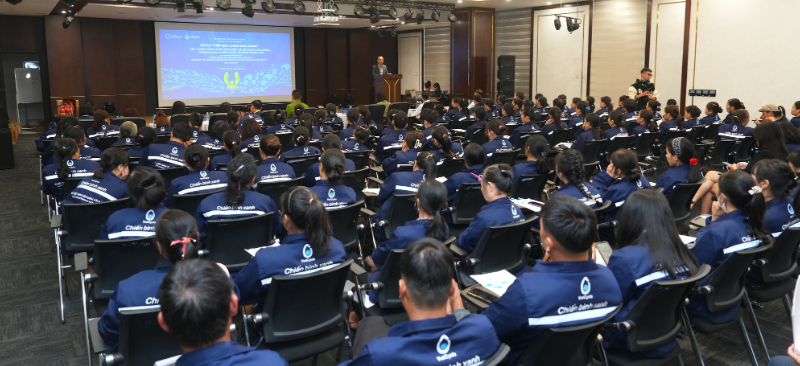
In progress - The project has been kicked off and the first capacity building activity has been conducted in early December.