
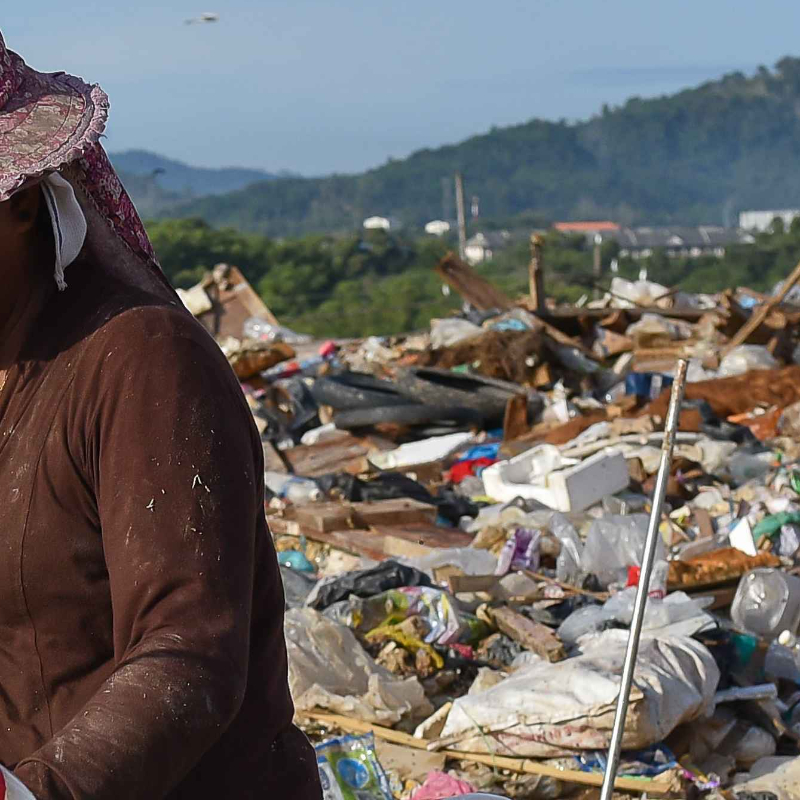
In order to prevent plastic pollution, it is critical to consider the social inclusion aspects of the plastic economy. It is critical to recognize that the effects of plastic waste vary depending on identity factors, such as gender, socioeconomic status, ethnicity, and disability. This study will give an assessment of how gender and other identity factors affect a person or communities’ relationship to plastic pollution and the plastics value chain. This social context assessment will help to better understand the inequality and lack of inclusion faced by various groups and how they in turn affect pollution and the value chain. The report highlights gender norms within the various domains of women, such as regulators, business owners, laborers, end users, and community members, through gender evaluations. Women account for half of the population and are the leading plastic consumers. Nonetheless, women’s social and political roles in the plastic sector continue to be underestimated and undervalued.