
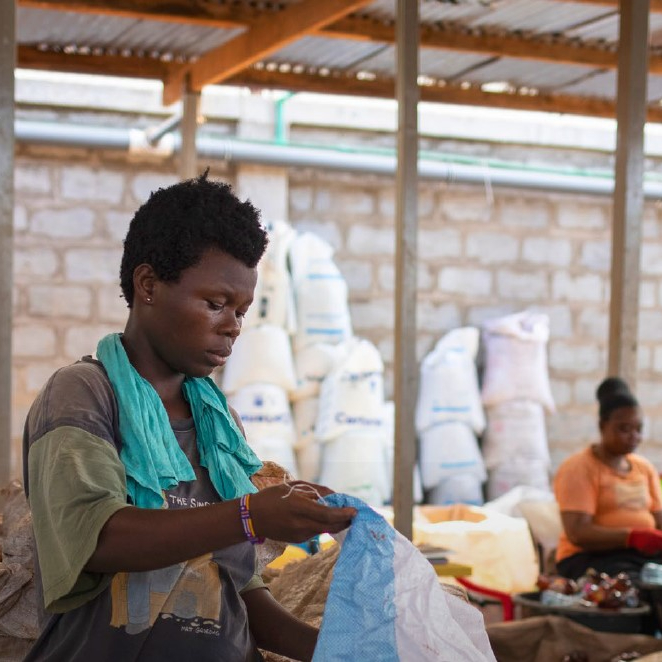
Gender intersects with a range of social markers to produce and sustain specific inequalities for different actors along the plastic value chain. To address the multifaceted challenges posed by plastic pollution, including its gendered impacts, the Ghana National Plastic Action Partnership (GH-NPAP) undertook a Gender Analysis of the Plastics and Plastic Waste Sectors in Ghana in May 2021. The analysis uncovered significant roles played by men and women across various sectors of the plastic industry. However, notable data gaps persisted regarding the intersectional and inclusive social context of the informal plastics and plastics waste sectors.
To address these disparities, the GH-NPAP with support from Global Affairs Canada conducted this Intersectional and Inclusive Social Context Assessment aimed at gaining a comprehensive understanding of the inequalities and marginalization faced by various groups within Ghana’s informal plastic value chain.
This study underscored the pervasive challenges of marginalization, recognition, and sexual and gender-based violence faced by waste pickers, particularly among youth and women. In response, actionable recommendations are provided to address these issues to enhance the well-being and empowerment of informal waste sector actors in Ghana.