Panama is facing a critical plastic pollution crisis that threatens its environment, economy, and public health. This issue impacts aquatic ecosystems, marine life, and local livelihoods while jeopardizing the country’s economic stability.
In 2022, Panama generated over 380,000 tons of municipal plastic waste, equating to about 90 kilograms per person annually—nearly double the regional average of 49.5 kilograms per capita in Latin America and the Caribbean.
More than 88% of the plastic waste generated is improperly managed, with approximately 336,000 tons ending up in landfills, being burned openly, or polluting aquatic and terrestrial environments.
These challenges further strain the country's integrated waste management system (GIRS) and highlight barriers to effective enforcement, particularly in rural areas.
In response to this crisis, Panama has implemented a series of key measures to address plastic pollution and promote a circular economy.
Notable legislative actions include:
Together, these measures demonstrate Panama’s strong political commitment to reducing plastic pollution and creating an enabling policy environment for a circular economy.

In 2023, Panama took a significant step forward in tackling plastic pollution by joining the Global Plastic Action Partnership (GPAP) and launching the Panama National Plastic Action Partnership (NPAP).
This groundbreaking initiative, led by the Ministry of Environment, brings together a wide range of stakeholders from across the plastic value chain to collaborate on reducing plastic pollution nationwide.
NPAP Panama aims to build a shared vision and foster collective action to address the root causes of plastic waste.
By engaging sectors from government and business to civil society, it seeks to create lasting solutions that drive Panama toward a circular economy, reduce plastic waste, and protect its environment for future generations.
Three years after joining GPAP, Panama is taking national ownership of its NPAP, establishing a permanent, government-led platform to sustain action against plastic pollution.
Formalized during the World Economic Forum's Panama Country Strategy Meeting in October 2026, this milestone builds on three years of collaboration between government, businesses, civil society and other stakeholders.
Key achievements include the development and official adoption of Panama's National Plastic Action Roadmap, setting ambitious targets for 2040.
Under the new model, the Government of Panama will lead the platform and coordinate implementation of the roadmap, while GPAP remains engaged as a strategic partner, connecting the country to international expertise and its global network.

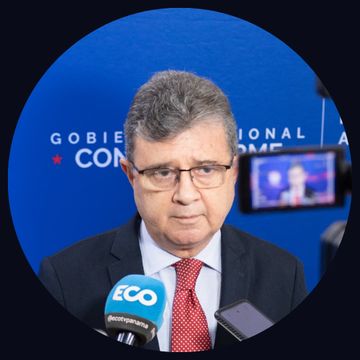
Panama is committed to action, not just words. We generate over 380,000 tons of plastic waste each year, 88% of which is mismanaged (...). With the installation of this Steering Committee, we take a decisive step to transform how we produce, consume, and manage plastics — moving toward 58% circularity by 2040.
Minister of the Environment of Panama
The roadmap outlines a clear and actionable plan aiming for 58% circularity by 2040 — cutting plastic pollution by 86%.
Led by the Ministry of Environment, it was developed with contributions from over 150 stakeholders, including government, industry, recyclers, academia, and civil society.

Every year, tons of plastic waste affect our communities, harm our ecosystems, and threaten our health. This roadmap represents a country-wide vision, built through a participatory process, and will serve as a strategic tool to decisively confront one of the most urgent environmental challenges of our time: plastic pollution.
Vice Minister of Environment of Panama
President José Raúl Mulino presented Panama’s Plastic Action Roadmap at the World Economic Forum Annual Meeting 2025, alongside Marisol Argueta de Barillas, Head of the Regional Agenda, Latin America, and Clemence Schmid, Director of the Global Plastic Action Partnership at the World Economic Forum.
This case study explores Panama's journey toward a circular plastic economy and the crucial role of trade policy in driving this transition.
Developed with insights from a multistakeholder community, it provides actionable policy recommendations to foster dialogue in Panama and the Central American Common Market, advancing the role of trade in building a more sustainable plastics economy.
The NPAP Panama Secretariat is hosted under the leadership of Panama’s Ministry of Environment, in partnership with the Global Plastic Action Partnership of the World Economic Forum.


Global Plastic Action Partnership
A World Economic Forum Initiative