
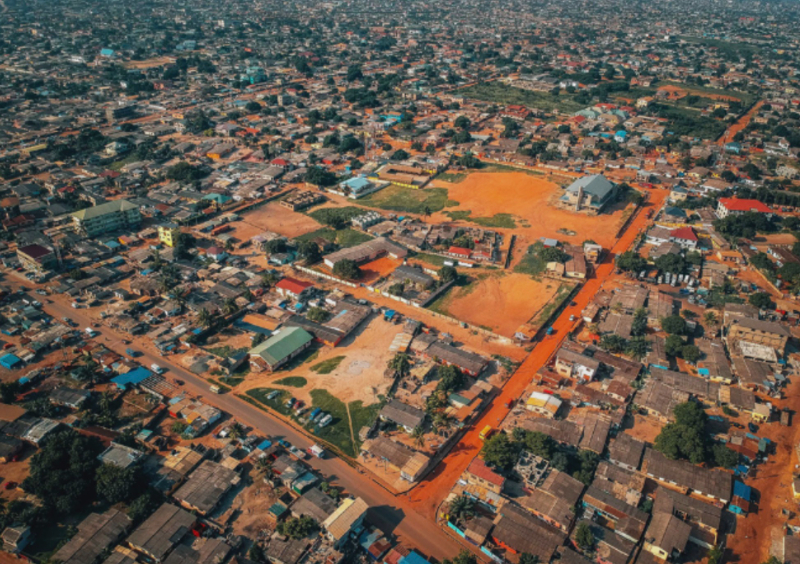
Ghana, a fast-growing economy with a burgeoning plastic waste problem, is home to one of GPAP’s flagship national partnerships and is used here as a case study. The research and subsequent policy options form a preliminary assessment, with the suggested trade policy areas meriting further investigation.Plastic, in particular single-use plastic, holds negative environmental consequences, yet the material is a preferred input for a variety of uses. Business-as-usual projections indicate that annual total plastic consumption could more than triple from about 380 million metric tons today to 1.3 billion metric tons by 2050. Ghana, an oil-producing, coastal country in West Africa with ambitious economic growth and industrialization plans, can harness trade policy to convert its plastic waste challenge into an opportunity by transitioning to a circular economy that reduces, reuses and recycles its waste. This would mitigate the risks of plastic waste pollution to land and marine ecosystems while also boosting investment, jobs and innovation.