
GPAP at the Annual Meeting 2026
Our Highlights | 19 - 23 January, Davos, Switzerland
Live Session: Will We Ever Have a Global Plastics Treaty?
As negotiations for a global plastics treaty advance, GPAP convened a high-level panel on how leaders can rebuild trust, align interests, and deliver a meaningful global agreement.
Moderated by Kelly Sims Gallagher (The Fletcher School, Tufts), speakers included Jessika Roswall (European Commissioner for Environment), Frank Tang Kui (FountainVest), Alfred Stern (OMV), and José Ramos-Horta (President of Timor-Leste).
The discussion underscored the need for a full life-cycle approach, strong national action, credible financing to close the “linear is cheaper” gap, and more harmonized rules to unlock investment and scale.
We really need this treaty, not just for the environment and people, but also for the industry.
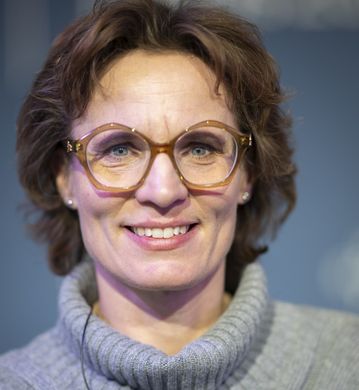
Jessika Roswall
Commissioner for Environment, Water Resilience and a Competitive Circular Economy, European Commission
Government support matters most in two places, funding recycling programs and backing innovation that improves quality and performance.
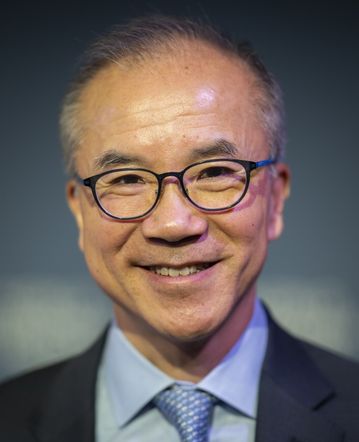
Frank Tang Kui
Chairman and CEO, FountainVest
Regulatory support is essential to move from a linear to a circular system.
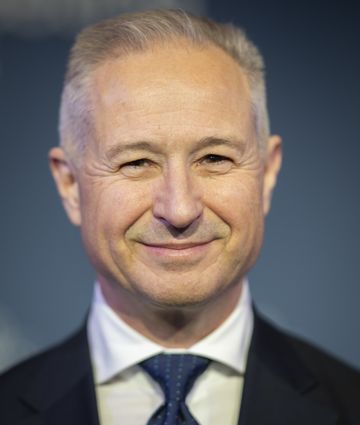
Alfred Stern
CEO, OMV
Yes, a global plastics treaty is necessary. But it will not be sufficient on its own, it must be complemented by stronger national-level action and implementation.
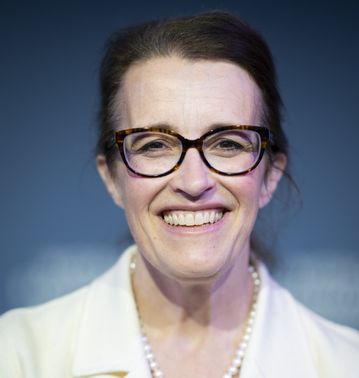
Kelly Sims Gallagher
Dean, The Fletcher School, Tufts University
Ocean biodiversity is a paradise we want to protect.
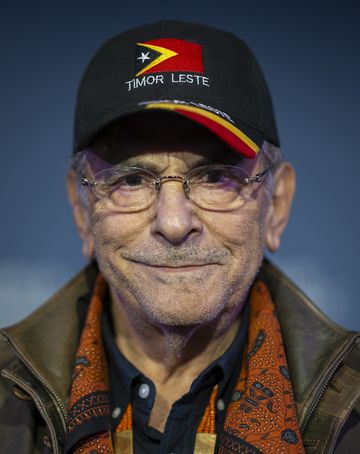
José Ramos-Horta
President, the Democratic Republic of Timor-Leste
Hub Session: AI for Circular Value Chain
Leaders from industry and government discussed how AI can boost efficiency, transparency, and material safety—cutting waste, emissions, and costs while unlocking the USD 4.5 trillion circular economy opportunity.
They highlighted AI’s near-term value in real-time material flow visibility, while noting the need for better access to manufacturing and lifecycle data and secure data-sharing that protects IP.
The session also emphasized that circularity requires value-chain-wide coordination and is becoming a strategic priority for supply-chain resilience and national security.
At the national level, Cambodia launched its Plastic Action Roadmap
Under the theme “Journey Toward a Circular Plastics Economy”, the announcement—led by H.E. Dr. Eang Sophalleth, Minister of Environment—introduced a national roadmap to drive systemic change.
The roadmap sets a clear pathway to reduce plastic pollution by up to 74% by 2040, cut greenhouse gas emissions by 40%, and deliver an estimated 37% cost savings for government through targeted, high-impact actions.