Roadmaps

The Global Plastic Action Partnership (GPAP), alongside other partners, has co-developed a series of bespoke roadmaps to help countries tackle the plastic waste pollution crisis. As we work towards a binding and inclusive treaty on plastic pollution, these roadmaps address both upstream and downstream capacity gaps across behaviour change, actionable path, recommendations and delivery frameworks.

National Analysis and Modelling Tool

GPAP's National Analysis and Modeling (NAM) Tool allows countries to establish a science-based roadmap to accelerate their transition to a circular, low carbon emissions plastics system. What the tool does:

The rigorous, data-based approach serves as a critical foundation for aligning and rallying diverse stakeholders behind a national action plan to address plastic pollution.

1. Assess a country’s plastic pollution situation.

2. Simulate a multitude of solution scenarios and their environmental, economic and social implications.

3. Confirm the most effective and realistic System Change Scenario and outlines steps to achieve it. 


The rigorous, data-based approach serves as a critical foundation for aligning and rallying diverse stakeholders behind a national action plan to address plastic pollution. The tool is based on the Breaking the Plastic Wave methodology and compatible with UN Environment Programme’s (UNEP)and IUCN’s hot-spotting analysis.

National Plastic Action Roadmaps

Developed through a multi-stakeholder process, these roadmaps use data, modelling, and local expertise to identify priorities and guide action to reduce plastic pollution. By comparing current trends with systems-change scenarios, they show how coordinated action across the plastics value chain can deliver environmental, economic, and social benefits.
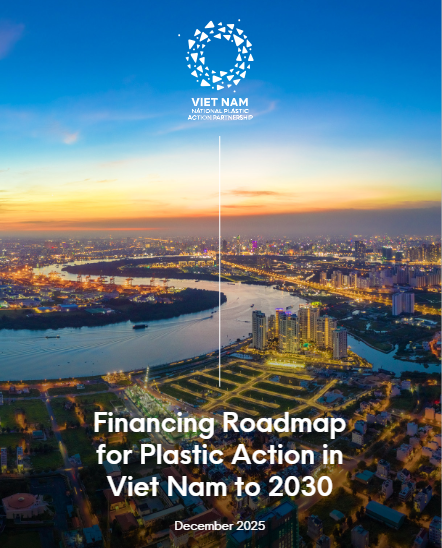
Financing Roadmaps

Financing Roadmaps identify the investment needed to reduce plastic pollution and advance a circular plastics economy. They highlight financing needs and gaps across the plastics value chain, and outline mechanisms, policy levers, and investment pathways to mobilize capital and support national targets.

Gender Equity and Social Inclusion Analysis

These analyses examine how plastic pollution and waste management affect different groups across the plastics value chain. They highlight social inequities and the experiences of women, informal waste workers, rural communities, and other vulnerable groups, providing recommendations to inform more inclusive policies, action plans, and livelihoods.
Biodiversity Assessments

Developed in collaboration with government, industry, academia and civil society, this assessment series examines how plastic pollution threatens biodiversity across 9 countries in Latin America, Asia and Africa, analyzes the systemic drivers behind the challenge, and presents practical, evidence-based actions to reduce plastic pollution, halt biodiversity loss and accelerate circular economy solutions.

This report is one of nine assessments examining the interlinkages between plastic pollution and biodiversity loss. The assessments map where plastic pollution has the greatest ecological impact, explore the economic and social interdependencies driving both pressures, and identify solutions across the plastics value chain. Each report reviews existing policy frameworks and provides actionable recommendations to address both biodiversity loss and plastic pollution while advancing circular economy approaches. The assessments were developed with contributions from a wide range of stakeholders, including government, industry, recyclers, academia and civil society.
Just Transition, Nature & Natural capital
Plastic Pollution and Biodiversity in Colombia: Pathways for Environmental and Economic Resilience
This report is one of nine assessments examining the interlinkages between plastic pollution and biodiversity loss. The assessments map where plastic pollution has the greatest ecological impact, explore the economic and social interdependencies driving both pressures, and identify solutions across the plastics value chain. Each report reviews existing policy frameworks and provides actionable recommendations to address both biodiversity loss and plastic pollution while advancing circular economy approaches. The assessments were developed with contributions from a wide range of stakeholders, including government, industry, recyclers, academia and civil society.
Just Transition, Materials, Nature & Natural capital
Plastic Pollution and Biodiversity in Nigeria: Pathways for Environmental and Economic Resilience
This report is one of nine assessments examining the interlinkages between plastic pollution and biodiversity loss. The assessments map where plastic pollution has the greatest ecological impact, explore the economic and social interdependencies driving both pressures, and identify solutions across the plastics value chain. Each report reviews existing policy frameworks and provides actionable recommendations to address both biodiversity loss and plastic pollution while advancing circular economy approaches. The assessments were developed with contributions from a wide range of stakeholders, including government, industry, recyclers, academia and civil society.
Just Transition, Nature & Natural capital
Plastic Pollution and Biodiversity in Viet Nam: Pathways for Environmental and Economic Resilience
This report is one of nine assessments examining the interlinkages between plastic pollution and biodiversity loss. The assessments map where plastic pollution has the greatest ecological impact, explore the economic and social interdependencies driving both pressures, and identify solutions across the plastics value chain. Each report reviews existing policy frameworks and provides actionable recommendations to address both biodiversity loss and plastic pollution while advancing circular economy approaches. The assessments were developed with contributions from a wide range of stakeholders, including government, industry, recyclers, academia and civil society.
Just Transition, Materials, Nature & Natural capital
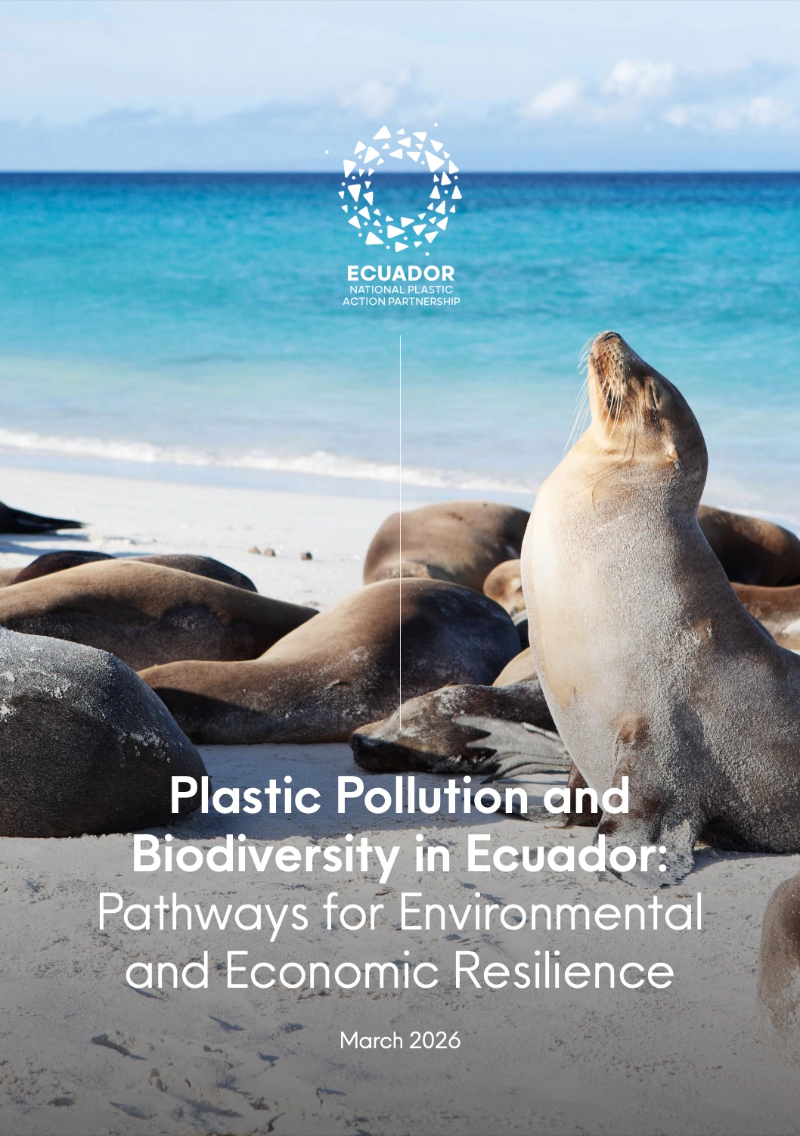
Plastic Pollution and Biodiversity in Ecuador: Pathways for Environmental and Economic Resilience
This report is one of nine assessments examining the interlinkages between plastic pollution and biodiversity loss. The assessments map where plastic pollution has the greatest ecological impact, explore the economic and social interdependencies driving both pressures, and identify solutions across the plastics value chain. Each report reviews existing policy frameworks and provides actionable recommendations to address both biodiversity loss and plastic pollution while advancing circular economy approaches. The assessments were developed with contributions from a wide range of stakeholders, including government, industry, recyclers, academia and civil society.
Just Transition, Materials
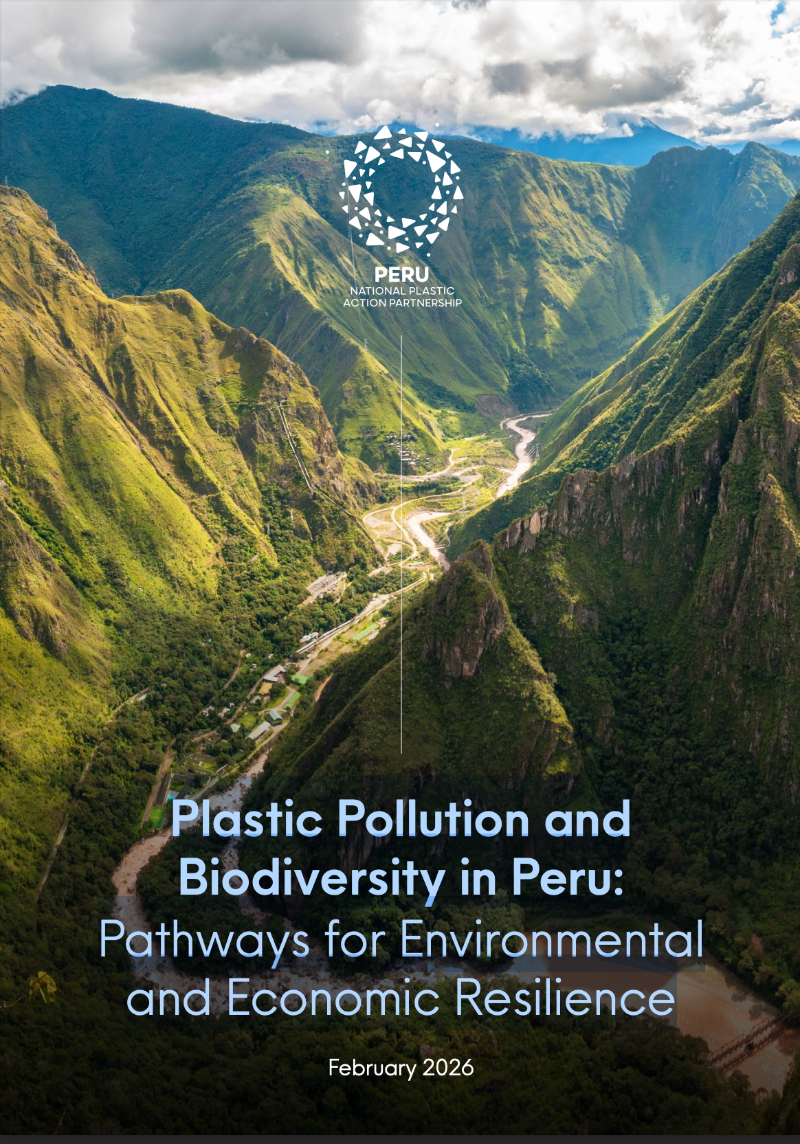
Plastic Pollution and Biodiversity in Peru: Pathways for Environmental and Economic Resilience
This report is one of nine assessments examining the interlinkages between plastic pollution and biodiversity loss. The assessments map where plastic pollution has the greatest ecological impact, explore the economic and social interdependencies driving both pressures, and identify solutions across the plastics value chain. Each report reviews existing policy frameworks and provides actionable recommendations to address both biodiversity loss and plastic pollution while advancing circular economy approaches. The assessments were developed with contributions from a wide range of stakeholders, including government, industry, recyclers, academia and civil society.
Just Transition, Materials, Nature & Natural capital
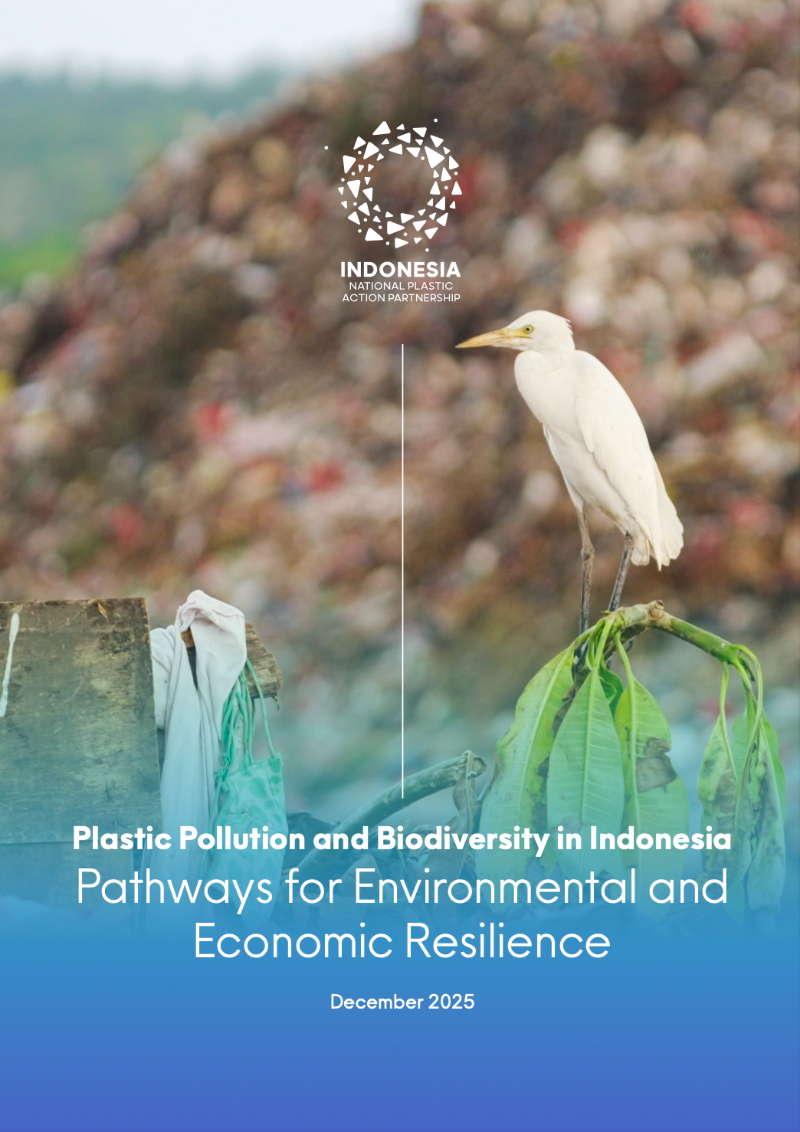
Plastic Pollution and Biodiversity in Indonesia: Pathways for Environmental and Economic Resilience
Este informe es una de las nueve evaluaciones que examinan las interrelaciones entre la contaminación por plásticos y la pérdida de biodiversidad. Las evaluaciones identifican dónde la contaminación por plásticos tiene el mayor impacto ecológico, exploran las interdependencias económicas y sociales que impulsan ambas presiones, e identifican soluciones a lo largo de la cadena de valor de los plásticos. Cada informe revisa los marcos normativos existentes y ofrece recomendaciones prácticas para abordar tanto la pérdida de biodiversidad como la contaminación por plásticos, al tiempo que promueve enfoques de economía circular.Las evaluaciones se elaboraron con aportaciones de una amplia variedad de partes interesadas, incluidos gobiernos, la industria, recicladores, el ámbito académico y la sociedad civil.
Just Transition, Nature & Natural capital
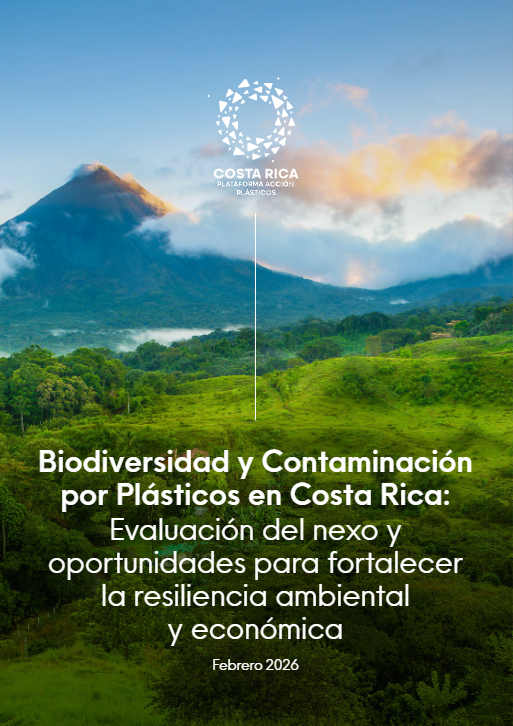
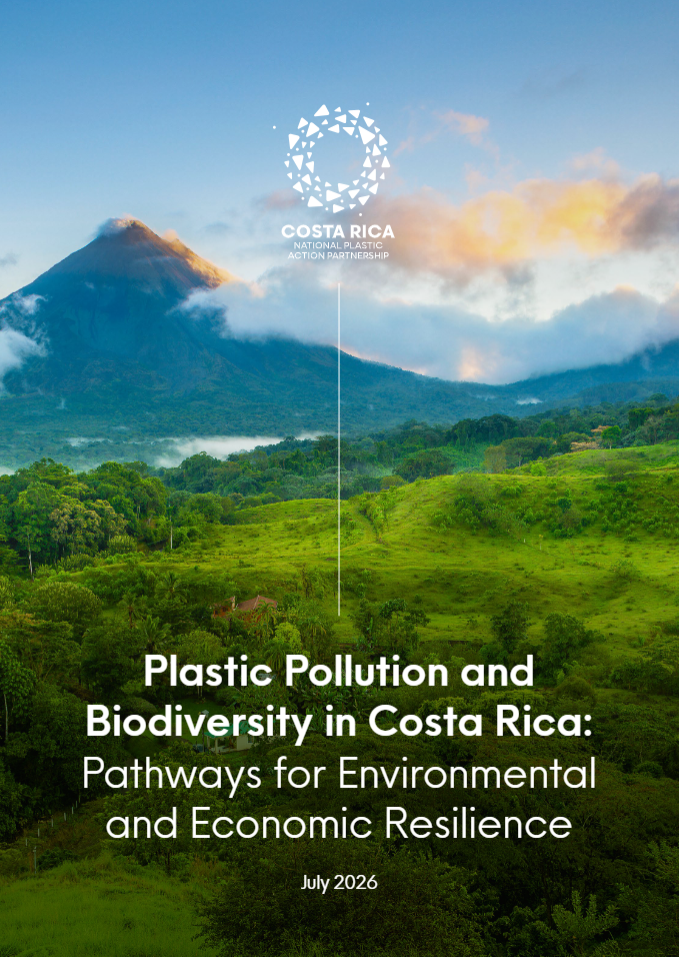
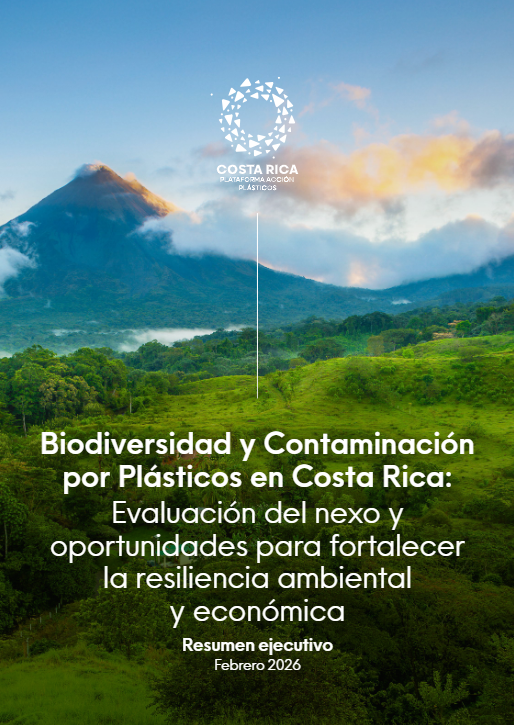
Biodiversidad y Contaminación por Plásticos en Costa Rica: Evaluación del nexo yoportunidades para fortalecerla resiliencia ambientaly económica
This report is one of nine assessments examining the interlinkages between plastic pollution and biodiversity loss. The assessments map where plastic pollution has the greatest ecological impact, explore the economic and social interdependencies driving both pressures, and identify solutions across the plastics value chain. Each report reviews existing policy frameworks and provides actionable recommendations to address both biodiversity loss and plastic pollution while advancing circular economy approaches.The assessments were developed with contributions from a wide range of stakeholders, including government, industry, recyclers, academia and civil society.
Just Transition, Materials
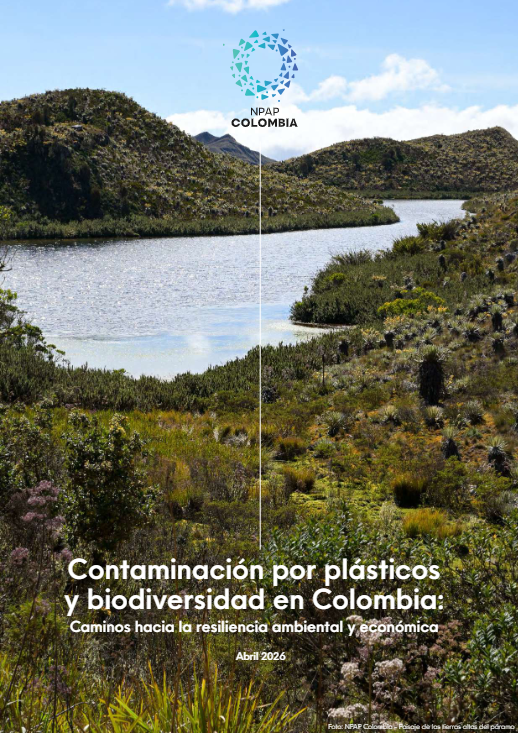
Contaminación por plásticos y biodiversidad en Colombia: Caminos hacia la resiliencia ambiental y económica
This executive summary presents the key messages from a full report that is one of nine assessments examining the interlinkages between plastic pollution and biodiversity loss. The assessments map where plastic pollution has the greatest ecological impact, explore the economic and social interdependencies driving both pressures, and identify solutions across the plastics value chain. Each report reviews existing policy frameworks and provides actionable recommendations to address both biodiversity loss and plastic pollution while advancing circular economy approaches. The assessments were developed with contributions from a wide range of stakeholders, including government, industry, recyclers, academia and civil society.
Just Transition, Nature & Natural capital
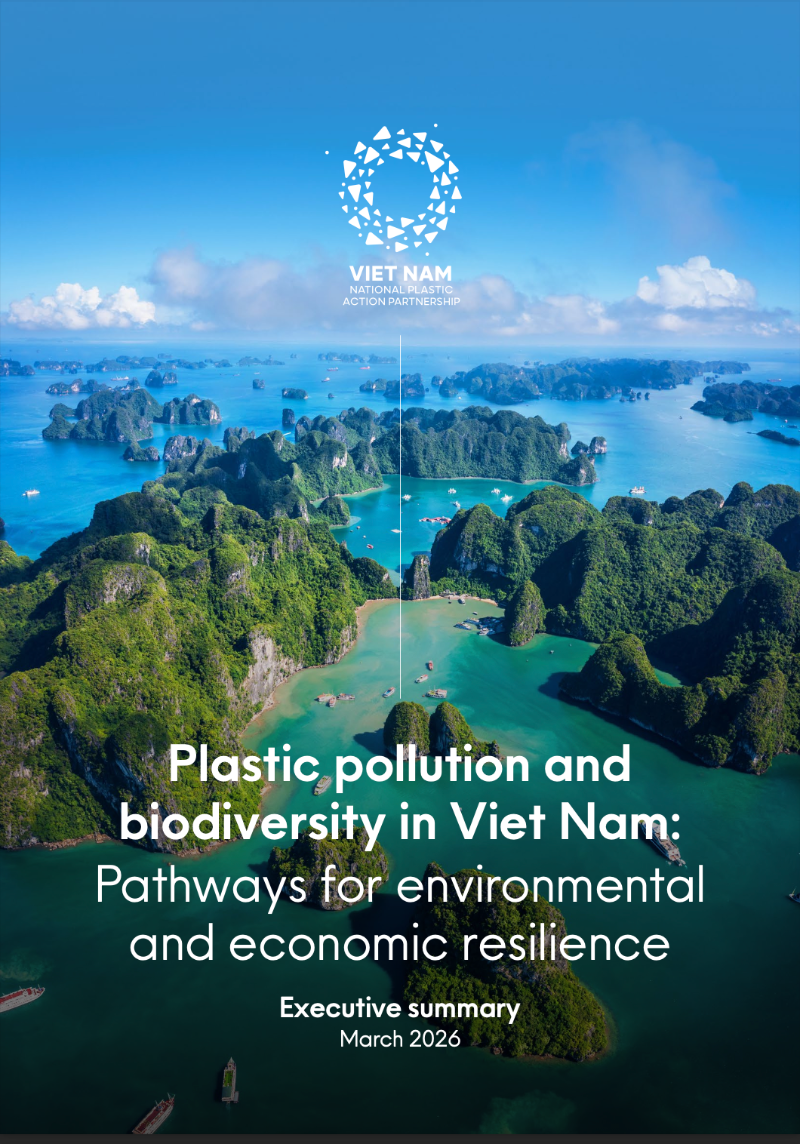
Executive Summary (English) - Plastic Pollution and Biodiversity in Viet Nam: Pathways for environmental and economic resilience
This executive summary presents the key messages from a full report that is one of nine assessments examining the interlinkages between plastic pollution and biodiversity loss. The assessments map where plastic pollution has the greatest ecological impact, explore the economic and social interdependencies driving both pressures, and identify solutions across the plastics value chain. Each report reviews existing policy frameworks and provides actionable recommendations to address both biodiversity loss and plastic pollution while advancing circular economy approaches. The assessments were developed with contributions from a wide range of stakeholders, including government, industry, recyclers, academia and civil society.
Just Transition, Nature & Natural capital
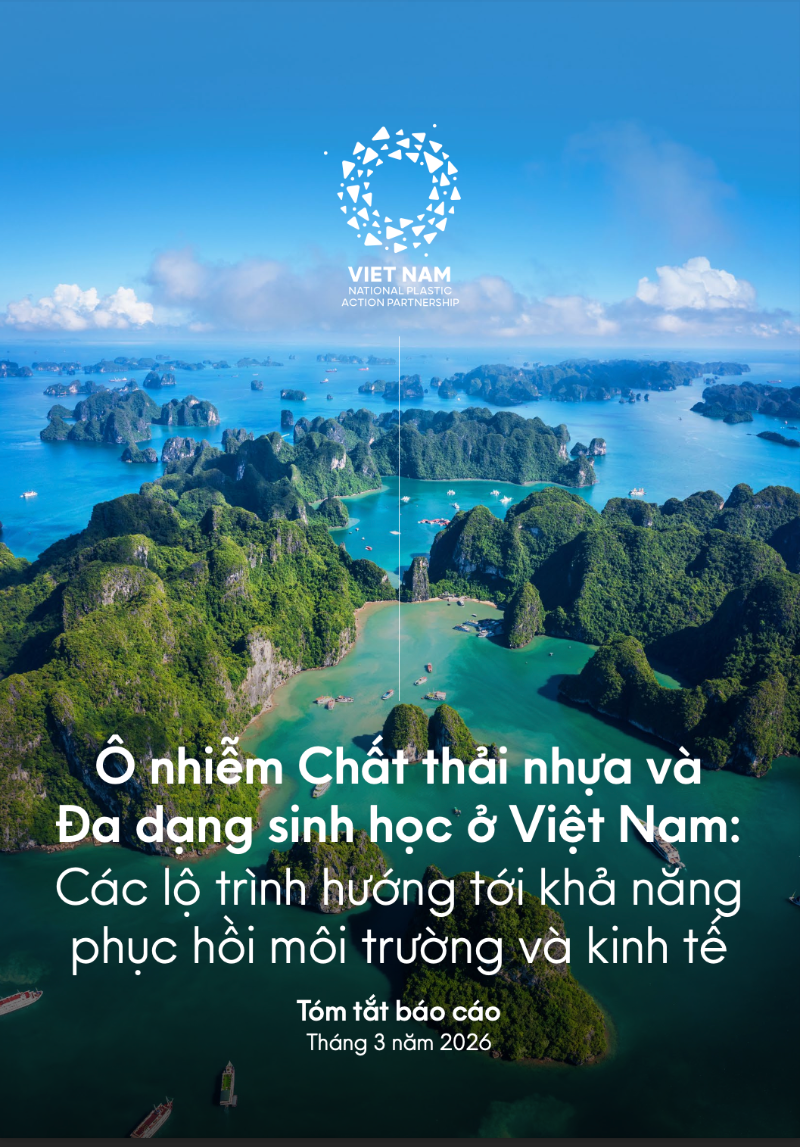
Executive Summary (Vietnamese) - Plastic Pollution and Biodiversity in Viet Nam: Pathways for environmental and economic resilience
This report is one of nine assessments examining the interlinkages between plastic pollution and biodiversity loss. The assessments map where plastic pollution has the greatest ecological impact, explore the economic and social interdependencies driving both pressures, and identify solutions across the plastics value chain. Each report reviews existing policy frameworks and provides actionable recommendations to address both biodiversity loss and plastic pollution while advancing circular economy approaches. The assessments were developed with contributions from a wide range of stakeholders, including government, industry, recyclers, academia and civil society.
Just Transition, Nature & Natural capital
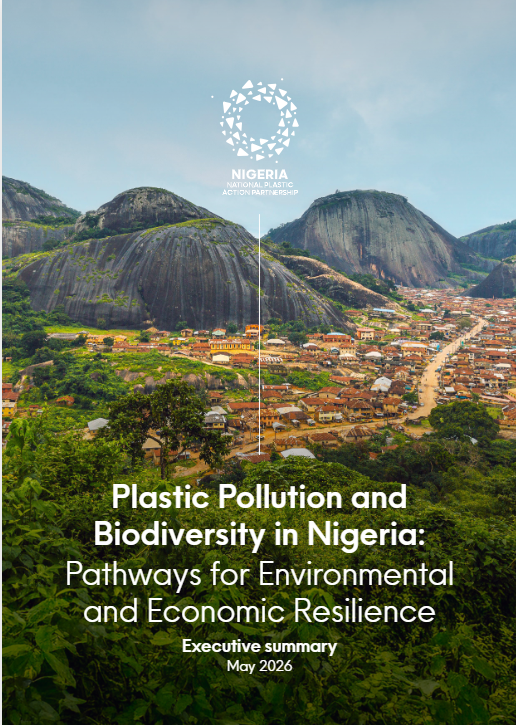
Executive Summary - Plastic Pollution and Biodiversity in Nigeria: Pathways for Environmental and Economic Resilience
This report is one of nine assessments examining the interlinkages between plastic pollution and biodiversity loss. The assessments map where plastic pollution has the greatest ecological impact, explore the economic and social interdependencies driving both pressures, and identify solutions across the plastics value chain. Each report reviews existing policy frameworks and provides actionable recommendations to address both biodiversity loss and plastic pollution while advancing circular economy approaches. The assessments were developed with contributions from a wide range of stakeholders, including government, industry, recyclers, academia and civil society.
Just Transition, Nature & Natural capital
Plastic Pollution and Biodiversity in Costa Rica: Pathways for Environmental and Economic Resilience
Este informe es una de las nueve evaluaciones que examinan las interrelaciones entre la contaminación por plásticos y la pérdida de biodiversidad. Las evaluaciones identifican dónde la contaminación por plásticos tiene el mayor impacto ecológico, exploran las interdependencias económicas y sociales que impulsan ambas presiones, e identifican soluciones a lo largo de la cadena de valor de los plásticos. Cada informe revisa los marcos normativos existentes y ofrece recomendaciones prácticas para abordar tanto la pérdida de biodiversidad como la contaminación por plásticos, al tiempo que promueve enfoques de economía circular.Las evaluaciones se elaboraron con aportaciones de una amplia variedad de partes interesadas, incluidos gobiernos, la industria, recicladores, el ámbito académico y la sociedad civil.
Just Transition, Nature & Natural capital
Resumen ejecutivo - Biodiversidad y Contaminación por Plásticos en Costa Rica: Evaluación del nexo yoportunidades para fortalecerla resiliencia ambientaly económica
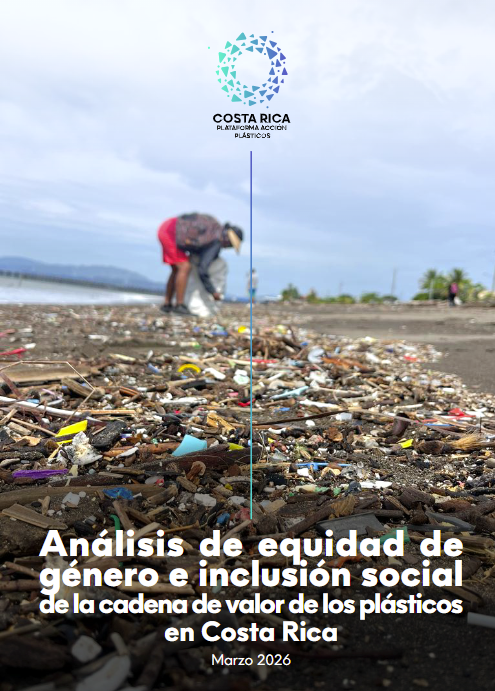
The Costa Rica Gender Equity and Social Inclusion (GESI) Analysis examines the roles, experiences, challenges and opportunities of women, informal sector workers, coastal and rural communities, and other historically excluded groups across the plastics value chain. It also outlines actions to support a more inclusive transition to a circular economy.
Just Transition, Materials
Análisis de equidad de género e inclusión social de la cadena de valor de los plásticos en Costa Rica

Let's Connect

Do you work for a government, business, intergovernmental organization, or civil society? Join forces with GPAP to fast-track our collective progress towards a world free of plastic waste and pollution.


Cross-Sector Support
canada
Default image
pepsico
Default image