Roadmaps
The Global Plastic Action Partnership (GPAP), alongside other partners, has co-developed a series of bespoke roadmaps to help countries tackle the plastic waste pollution crisis. As we work towards a binding and inclusive treaty on plastic pollution, these roadmaps address both upstream and downstream capacity gaps across behaviour change, actionable path, recommendations and delivery frameworks.
National Analysis and Modelling Tool
GPAP's National Analysis and Modeling (NAM) Tool allows countries to establish a science-based roadmap to accelerate their transition to a circular, low carbon emissions plastics system. What the tool does:
National Plastic Action Roadmaps
Developed through a multi-stakeholder process, these roadmaps use data, modelling, and local expertise to identify priorities and guide action to reduce plastic pollution. By comparing current trends with systems-change scenarios, they show how coordinated action across the plastics value chain can deliver environmental, economic, and social benefits.


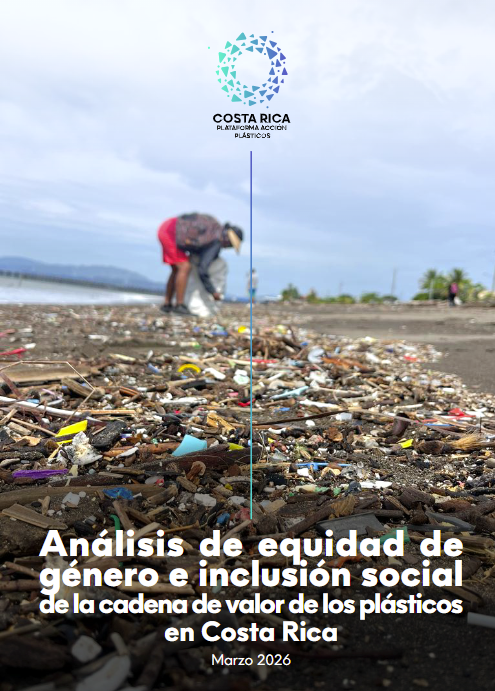
Gender Equity and Social Inclusion Analysis
These analyses examine how plastic pollution and waste management affect different groups across the plastics value chain. They highlight social inequities and the experiences of women, informal waste workers, rural communities, and other vulnerable groups, providing recommendations to inform more inclusive policies, action plans, and livelihoods.